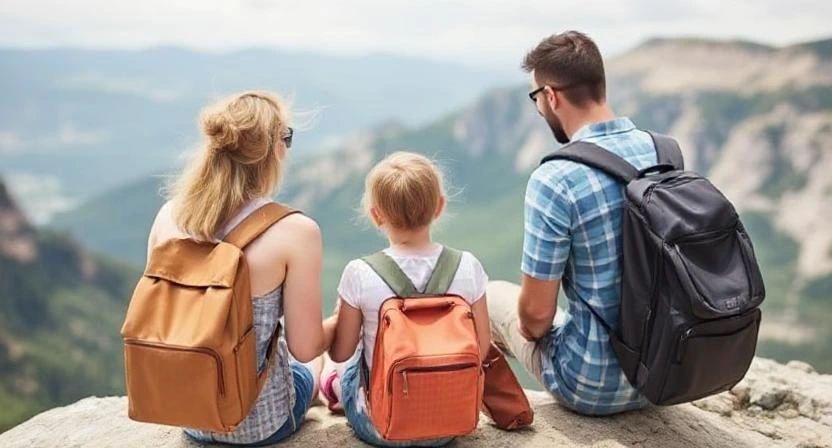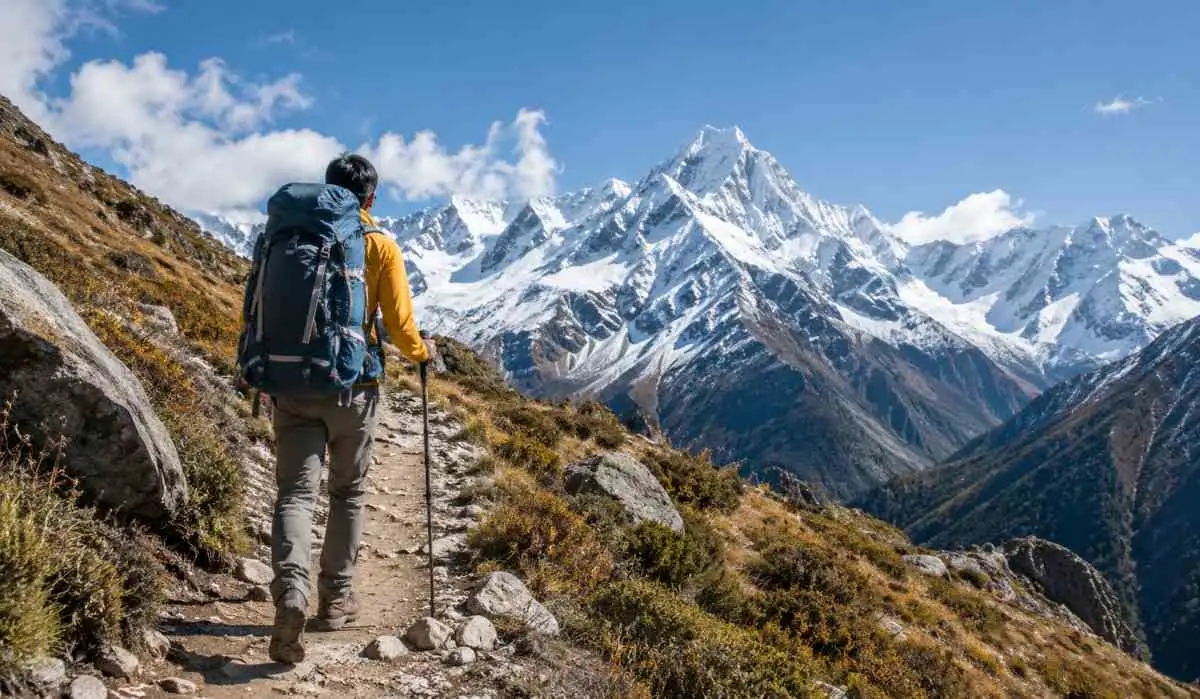
Walking is a good way to enjoy nature, keep active and get away from the routine. However, a hike can be hard even on a basic trail if you commit common hiking mistakes. Wearing inappropriate shoes, bringing not enough water, not taking first-aid equipment, or failing to dress appropriately could make a pleasant stroll an inconvenient or even dangerous experience.
With good preparation, hikers can make it to the trail in a safe, comfortable way and be prepared for the weather or terrain to change. Whether it's breaking in your boots, packing sufficient snacks, or knowing how to handle drinking water, it can make any outdoor activity more enjoyable if you avoid these common hiking pitfalls.
The walking dread
The wild outdoors fills you with energy, soothes your soul, and is so. Simple? Maybe not, not if you haven't equipped yourself for the experience. Striding along a nature path and venturing on a weekend hike into an unexplored and fascinating new area should invigorate and calm you.
However, the same paths can contain a variety of hazards and problems, from not bringing a warm layer to getting lost and being without an OS map. Ensure you make your journey in the wilds a walk in the park and try to avoid these common hiking mishaps.
Read More: Unmissable USA Travel Experiences for the Ultimate Bucket
Wearing the wrong footwear
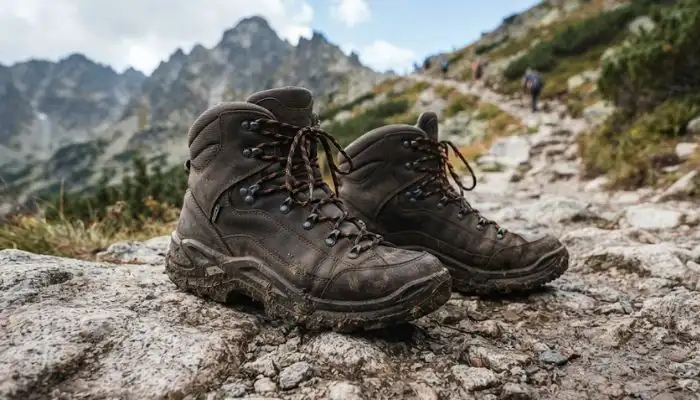
It seems to really depend on the type of terrain you are encountering. You might be interested to know barefoot style running shoes might be amazing for keeping your feet gripped on a very steep hill (if you are already used to barefoot running shoes). However, they tend to result in agonizing toes if you encounter any uneven or rocky section of the terrain on the route.
On the multi-terrain routes, it is worth having decent waterproof hiking boots on so if you have to run through a stream or march through an extremely waterlogged meadow, you will get through perfectly.
Failing to break in your boots
So, you've got the new hiking boot/trail shoe/trainer you've always dreamed of and are raring to get them out and about. Just hold your horses while you take a minute; there are few more certain ways to spoil an otherwise pleasant walk than new footwear that pinches, chafes and makes your feet so red and sore they're a mass of blisters. Before you know where you are, you face a painful expedition back to basecamp.
Gore-Tex, an outdoor brand, suggests you wear in boots for several weeks prior to using them in any serious expedition.
Forgetting about first aid
Remember your motto-hope for the worst, expect even worse. Or something punchier. A basic first-aid kit including bandages, ointment, and an emergency foil blanket can potentially save the day-or at least alleviate suffering-for yourself and another deserving soul in need on the track.
Better yet, and so the words repeat with a sigh of sheer relief in hindsight, never say you didn't pack it. The Red Cross can tell you precisely what it needs to have.
Underestimating your thirst
This is a non-negotiable must-have which you simply cannot compromise on. When it is a hot day, the whole world's water wouldn't keep you hydrated on a big hike, particularly up hills.
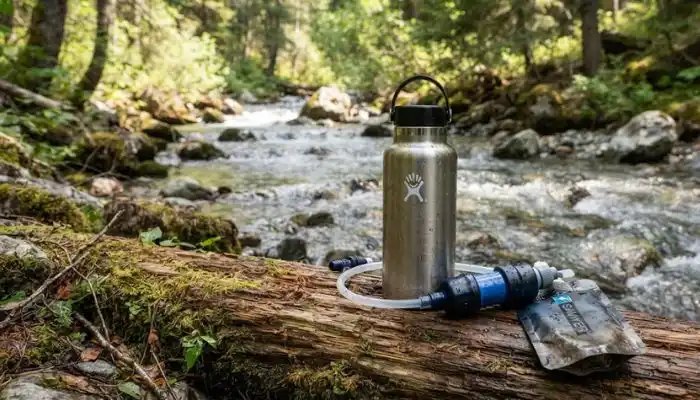
Even if it is cloudy or a cold day; you will still get thirsty. Grab the biggest bottle you can carry and choose one that is made from a material such as stainless steel so you have nice cool water.
Forgetting a filter
Water filter or treatment tablets are essential if you are going trekking for a long distance and do not want to carry around gallon water on your back-REI has an instruction page to guide you on usage.
Assuming you are near a stream, lake or river you can be sure of what you're drinking. (Never take it for granted that the water from a source is good to drink, even an alpine-looking spring!)
Scrimping on snacks
While that small cereal bar and the overripe brown banana seem like enough to start, they will actually appear quite pathetic once you notice other hikers parading their thermos of hot soup, sandwiches on homemade bread, and take-out plastic containers packed full of mouthwatering crisp vegetables.
You could be nice and offer to share (you wouldn't dare!) instead you could pack a little extra and eat there or in a few hours and plan an extra hour of hiking.
You May Also Read: Travel Like a Local: Insider Tips for Authentic Experiences
Failing to factor in down time
You eat snacks when you need fueling but sometimes you find it is more about prolonging an optimum pause for your hike. You need not necessarily pack a picnic (though you have the option, of course).
If you stumble upon the ultimate stream, bay, vista or even just a wonderfully inviting, cool, flat rock, you find it is absolute bliss to then break open a thermos of tea or coffee with a flapjack.
Wearing cotton
The problem with cotton is that it's very breathable, but many outdoor gurus and enthusiasts are vehemently anti-cotton on a long hike. This is because the damp trapped from perspiration between the air pockets of the clothing creates a wet layer, which then gets cold, can lead to a chill or in worst case scenarios hypothermia. Choose specific outdoor gear that wicks moisture away from your body.
FAQs
1. What are the most common hiking mistakes?
Some common hiking mistakes include wearing unsuitable footwear, failing to break in new boots, carrying too little water, skipping first-aid supplies, wearing cotton, and not planning for changing weather.
2. Why is proper footwear important for hiking?
Proper hiking footwear provides better grip, protection, comfort, and stability on uneven, rocky, muddy, or wet terrain.
3. How much water should you take on a hike?
Water needs depend on the weather, distance, terrain, and individual needs. Carry enough for the planned hike and consider a reliable water-treatment method for longer trips.
4. Should new hiking boots be broken in before a long hike?
Yes. Breaking in new boots before a serious hike can help identify pressure points and reduce the risk of painful rubbing, chafing, and blisters.
5. Why should hikers avoid cotton clothing?
Cotton can hold moisture from sweat and dry slowly. In cool conditions, wet clothing can make the body feel cold, so moisture-wicking outdoor layers are generally a better choice.
.