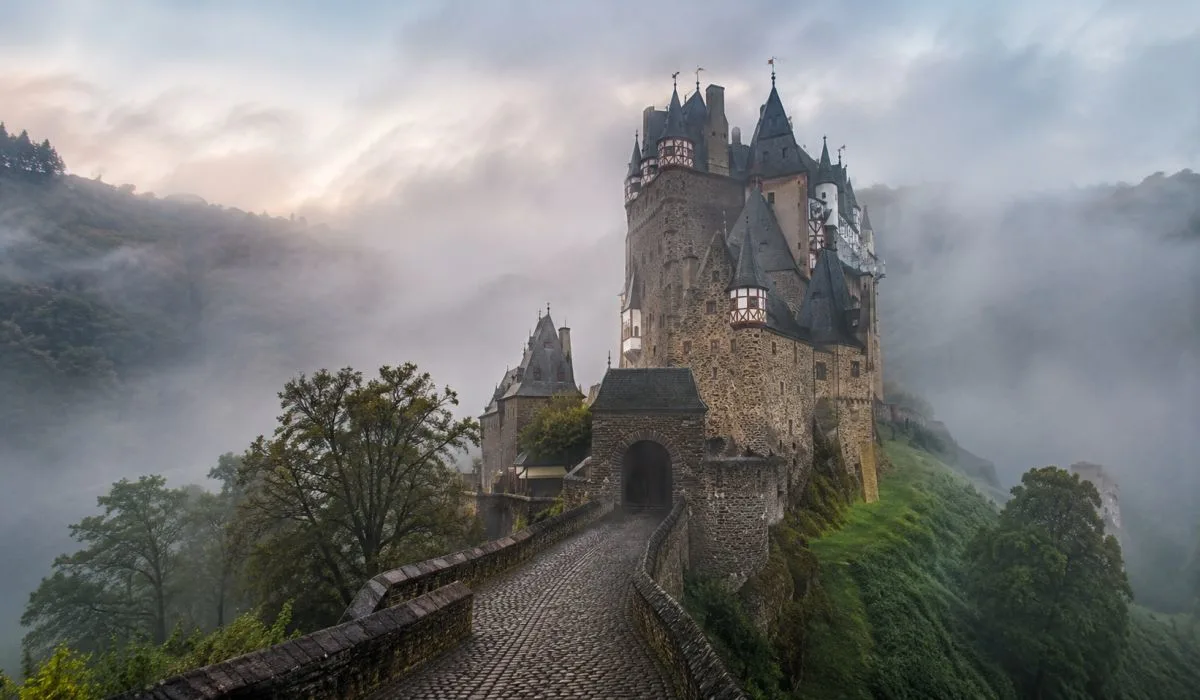
Historic places that inspired legendary tales have fascinated travelers, historians, and storytellers for centuries. From mysterious chapels and ancient castles to crumbling ruins, these locations are connected to stories of kings, demons, knights, vampires, and hidden secrets. Some legends are supported by historical events, while others have grown through folklore and imagination over generations.
Rosslyn Chapel in Scotland, Bran Castle in Romania, and Ki Castle in Japan are just a few remarkable examples. These places show how real locations can become part of famous stories and enduring myths. Exploring them offers a fascinating journey into history, mystery, culture, and legendary tales.
Step inside the mystery
From the castle where the villainous Dracula lived to the rumored resting place of the Holy Grail, these historic sites have lent themselves to the world's greatest tales. While the crumbling ruins, turreted castles and mysterious churches may have weathered through neglect, the legends they gave rise to have left them enduring.
Rosslyn Chapel, Scotland, UK
Most notably this stunning, Gothic chapel in a sleepy village in Midlothian became one of the main inspirations for Dan Brown's wildly popular Da Vinci Code, but for centuries it remained off the radar until the movie was released.
This is despite many people worshiping it as a powerful spiritual site for those who have understood it well since long before those that know were known not to know. For over 500 years people have searched it with the inquisitive eye, forever sparking the interest of all and stimulating debate.
Read More: Top Cultural Festivals in Europe to Visit in 2026: US Trip Guide
Rosslyn Chapel, Scotland, UK
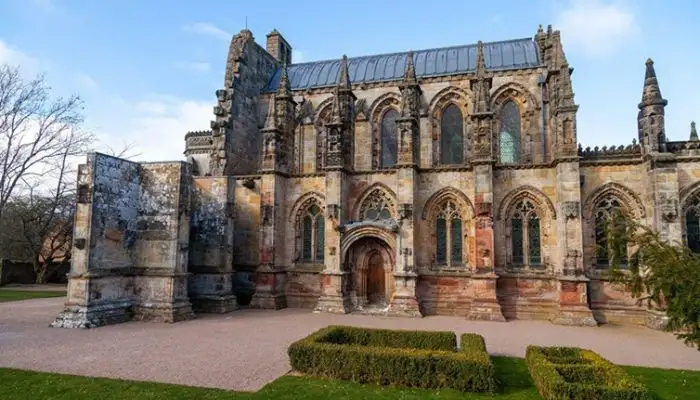
William Sinclair, the first Earl of Caithness, Baron of Roslin, originally built the chapel as a collegiate church around 1450. The Roman Catholic Church used it as a place of worship until the Scottish Reformation in 1560, and the authorities closed it to the public in the 18th century.
It then reopened as a Scottish Episcopal Church before someone allowed it to fall into ruin. More fascinating are its alleged links with the Knights Templar and their hidden treasures.
Bran Castle, Romania
The storybook Romanian Bran Castle - which some claim Vlad Dracula's principality, Transylvania, and Wallachia was part of in the 14th century was erected between 1377 and 1388 and commanded from on high the access ways through the famous pass.
Dracula Dracula's prison Vlad and vampires This castle is reputed to be Vlad Dracula's former cell from the late 15th century, also known as Vlad Dracula and Dracula Vlad Dracula - inspiration for the Dracula stories of the vamp.
Ever since Bram Stoker's seminal 1897 Gothic novel Dracula was unveiled, it’s been debated in academic circles just which myths and legends were the inspiration behind this chilling story. Some suspect it’s derived from a character within the Romanian traditions, believed to be the real-life Hungarian serial murder, Countess Elizabeth Bathory; however, it’s commonly accepted that Vlad the Impaler was the more celebrated inspiration.
Known as quite a cruel, bloodthirsty and violent man who showed his opponents absolutely no mercy, Vlad got his nickname for the infamous way in which his defeated enemies would be impaled on spikes during battle.
Kolossi Castle, Cyprus
The legend claims that the architecturally unassuming Castle of Kolossi in Cyprus received the singular privilege of being the venue for the wedding of King Richard I of England (known as Richard the Lionheart) and Berengaria of Navarre, the daughter of King Sancho VI of Navarre and Queen Sancha of Castile.
The marriage aimed to commemorate Richard’s triumph following the capture of Cyprus during the Third Crusade around 1191, and legend says the king was so joyous he called for the local village of Kolossi’s barrels and declared that “this is the wine of kings and the king of wines.”
Ki Castle, Japan
According to legends, Onra, a demon featured prominently in Japanese folklore, is said to have lived in Ki Castle (literally meaning 'Demon Castle') for at least a thousand years. You can find the castle itself in Okayama, Japan, and as it stands, it serves as a perfect specimen of a traditional style of hill castle known by the archaeological term Kodai-sanj, which translates to 'ancient mountainside castle.'
Egeskov Castle, Denmark
An impressive profile of the 123 imposing manor houses and castles on the island of Funen in Denmark’s interior: Egeskov Castle appears from nowhere as a fortress standing in the centre of a lake functioning as a moat.
Built in the 16th century and in the hands of one and the same family since 1784, the castle on Funen keeps a rather special secret for us to uncover in the attic a family secret kept in the attic for several hundreds of years!
You May Also Read: Top Cultural Destinations in India for Heritage Tourism
Caisteal Maol, Scotland, UK
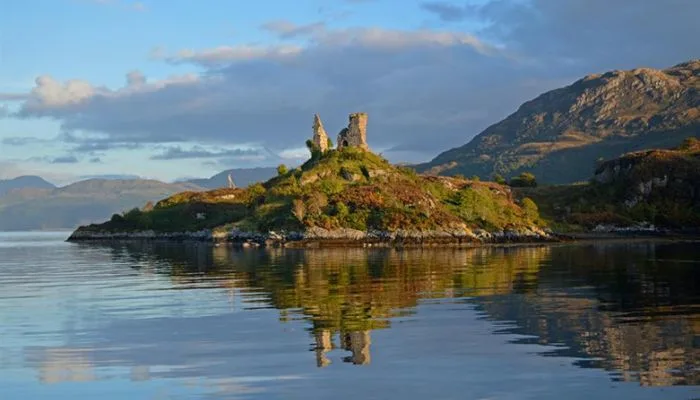
Skye's crumbling Caisteal Maol might be as old as the 15th century but the folk tales behind the ruin are what has stood the tests of time.
These desolate remains once served as a three storey square keep that commanded the channel of water between the isle of Skye and mainland Scotland; people abandoned this in the early 17th century due no doubt to how draughty and cool it was to actually live in.
Caisteal Maol, Scotland, UK
Kyleakin Harbour (and the town of the same name containing castle ruins) names itself after this very Norse King - being kyle or 'strait' of Haakon. The castle today commonly refers to itself as either Dunakin Castle or Dun Haakon Castle, effectively 'the fort of Haakon'. Thankfully his Scottish (or indeed Norse) lord keepers have not made any attempts at piracy for hundreds of years!
FAQs
1. Which historic places inspired legendary tales?
Rosslyn Chapel, Bran Castle, Kolossi Castle, Ki Castle, Egeskov Castle, and Caisteal Maol are historic sites associated with fascinating legends and stories.
2. Why is Bran Castle linked to Dracula?
Bran Castle is popularly associated with Dracula because of its connection to Transylvania and the historical figure Vlad the Impaler, although the connection to Bram Stoker’s fictional castle is debated.
3. What is Rosslyn Chapel famous for?
Rosslyn Chapel is famous for its Gothic architecture, unusual carvings, religious history, and legends involving the Knights Templar and hidden treasures.
4. Where is Ki Castle located?
Ki Castle is located in Okayama, Japan. Local legends connect the castle with a demon known as Onra.
5. Why is Caisteal Maol important in Scottish folklore?
Caisteal Maol is a historic ruin on the Isle of Skye associated with Norse and Scottish legends, including stories connected with King Haakon.
.